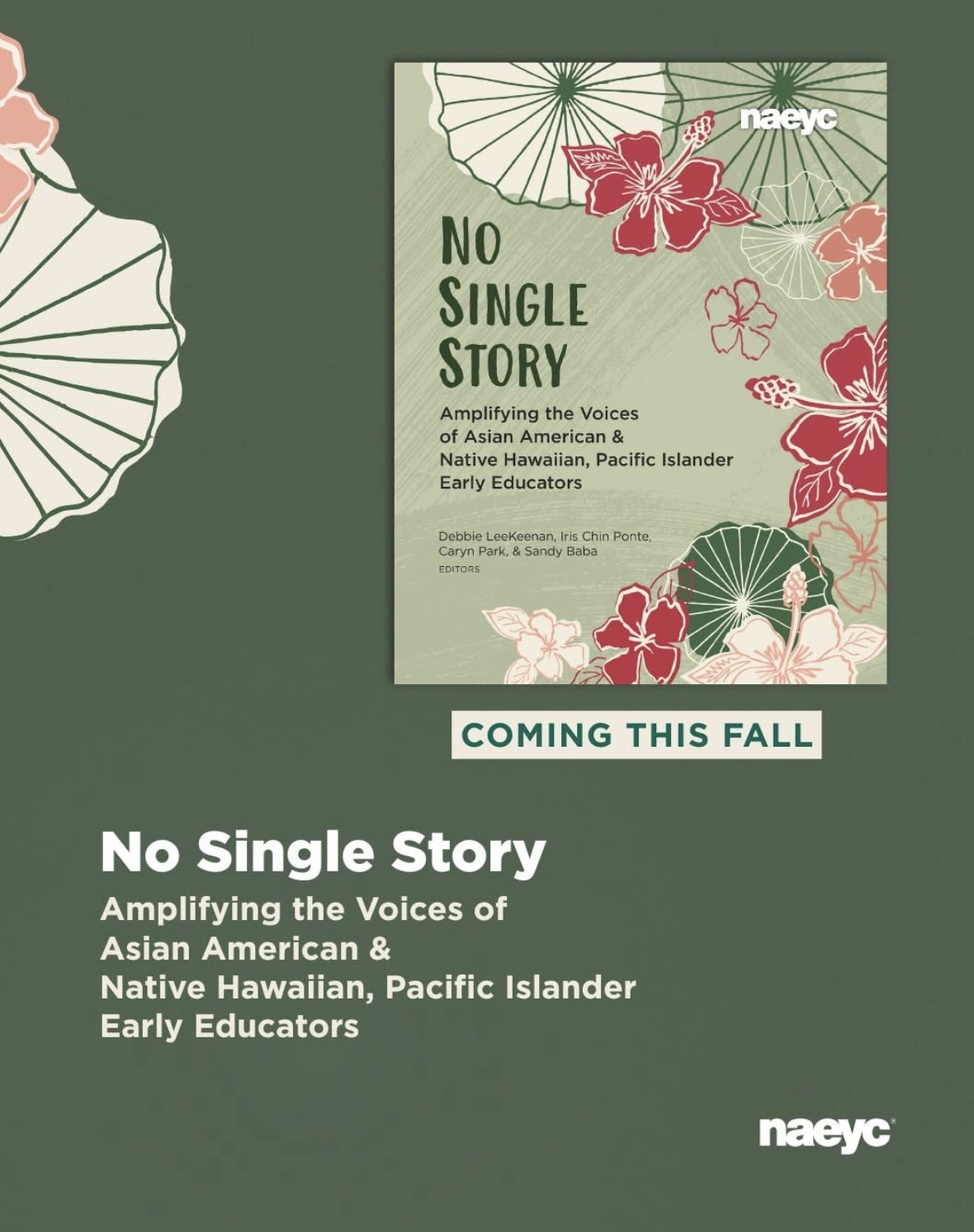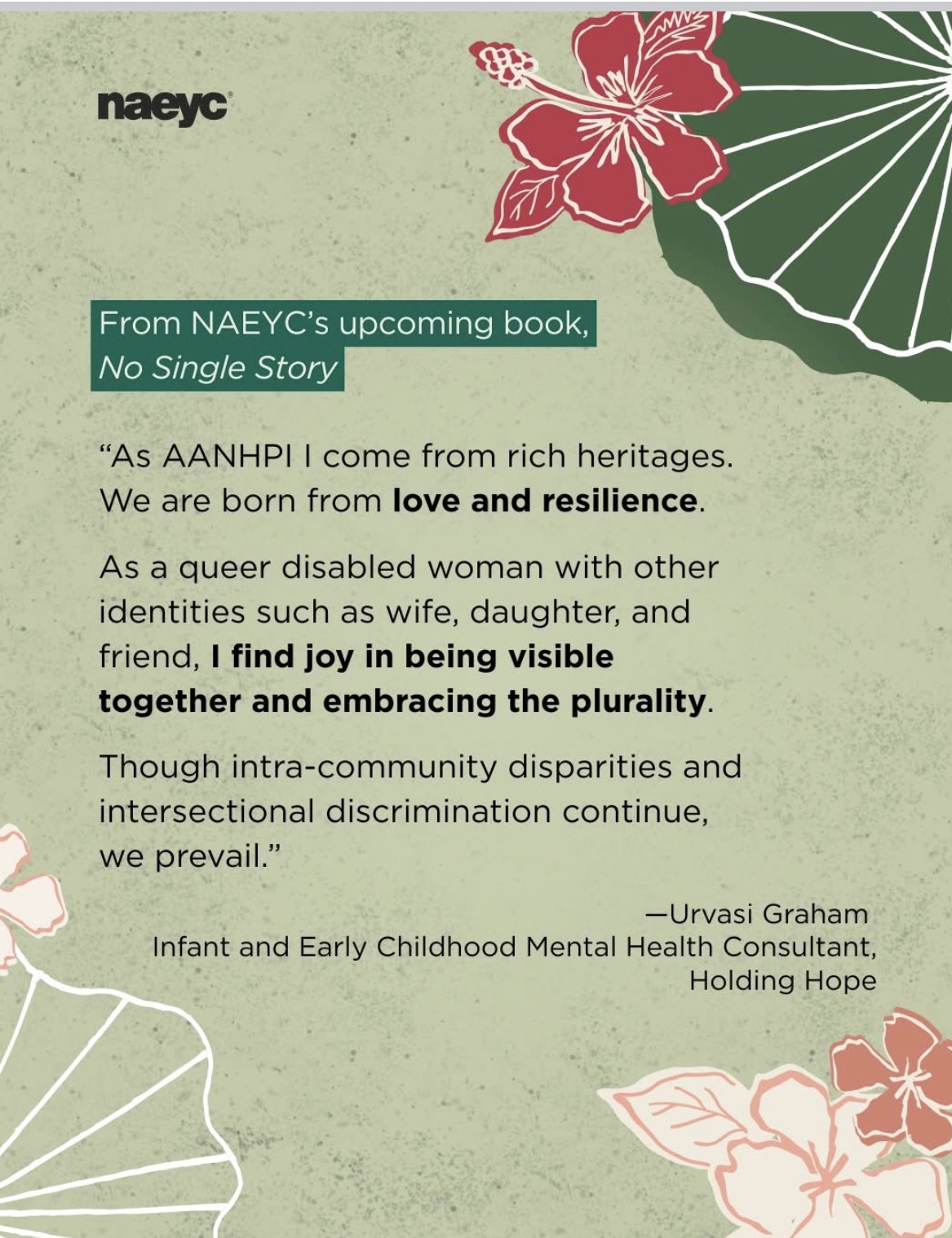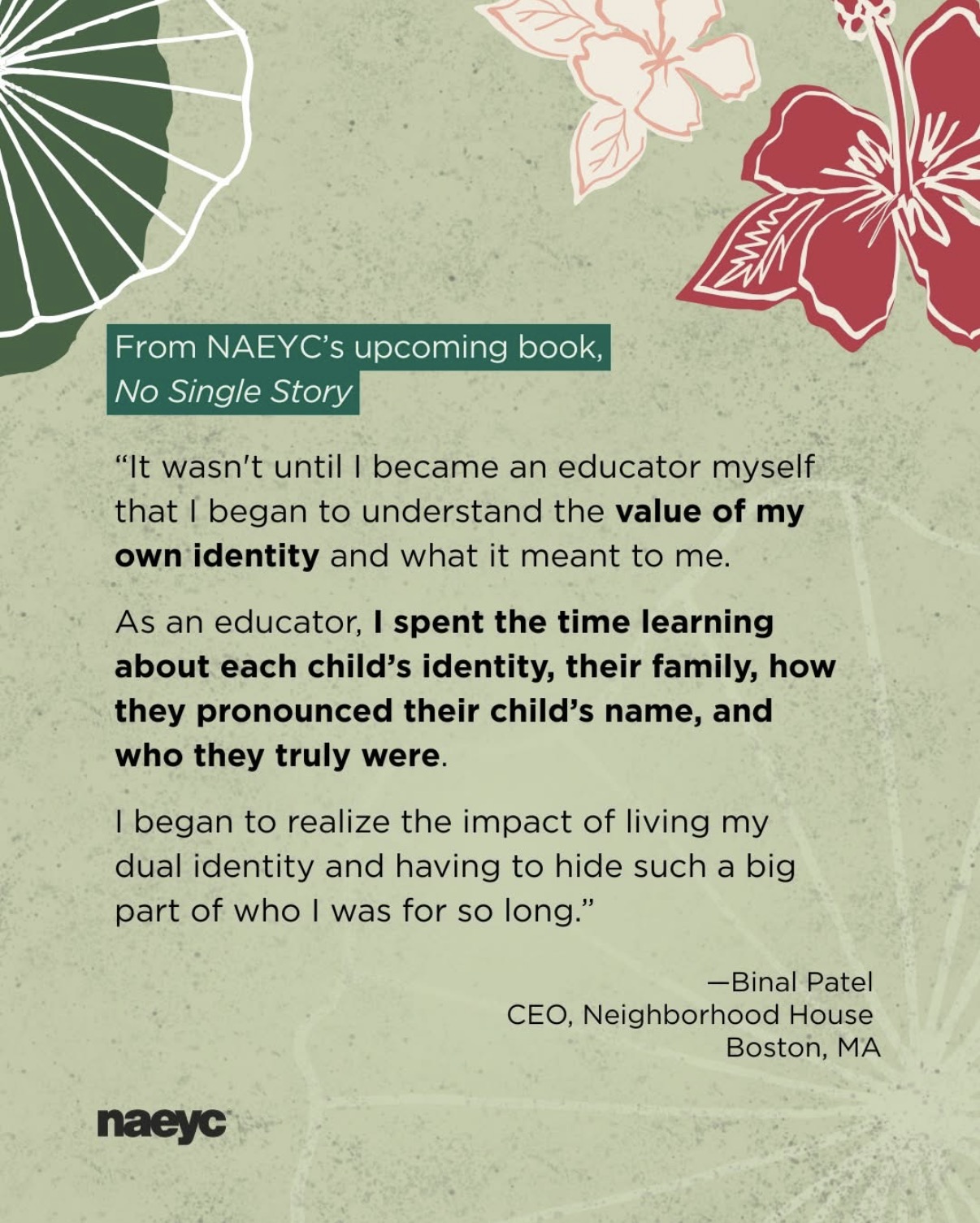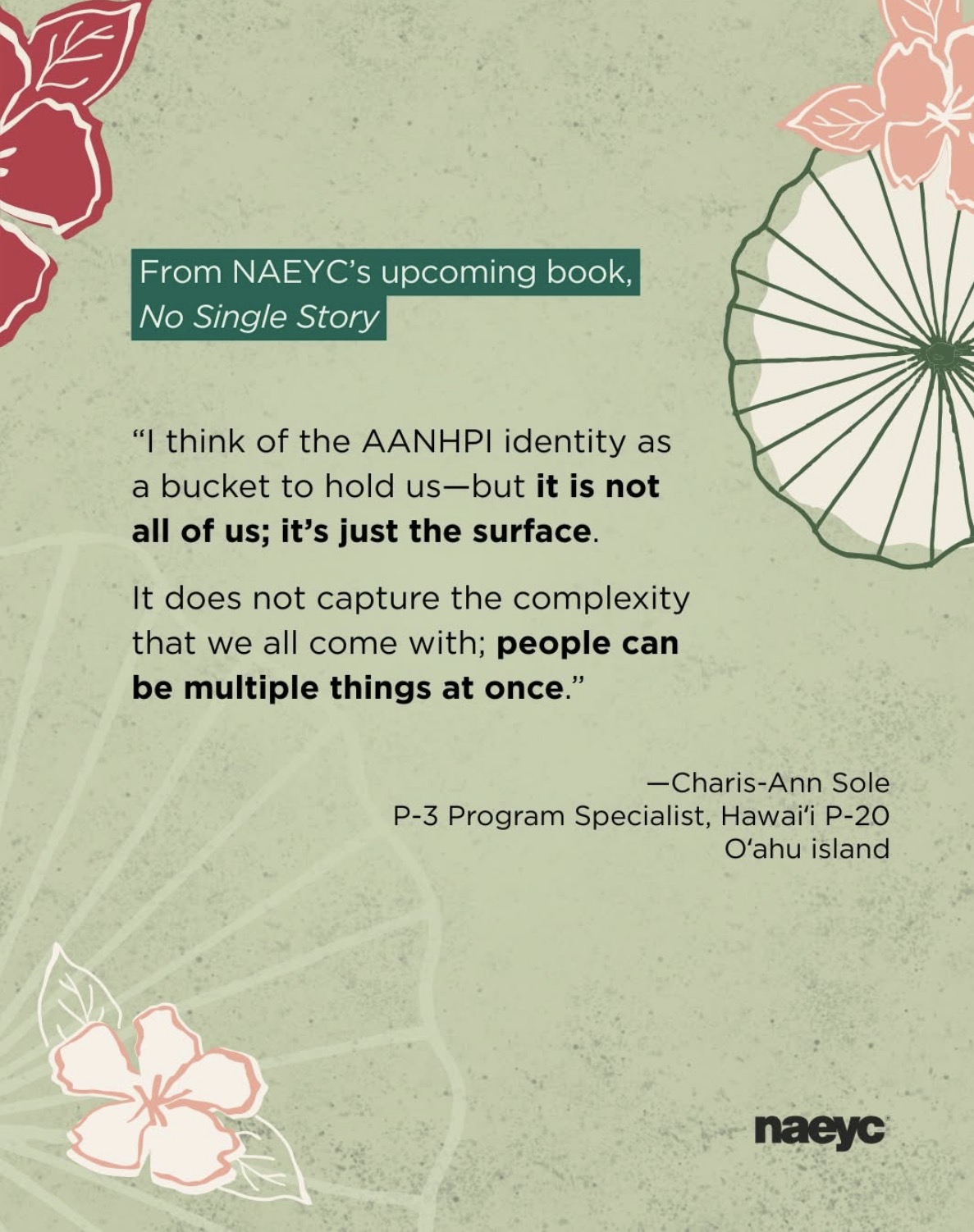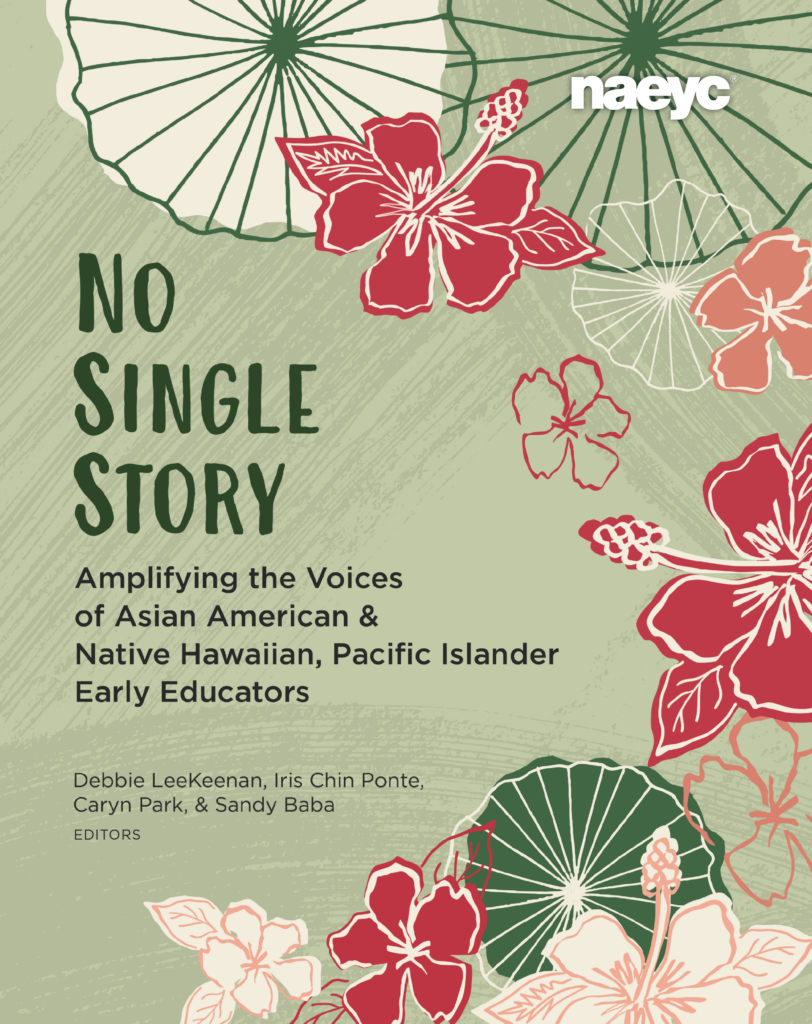
No Single Story: Amplifying the Voices of Asian American and Native Hawaiian, Pacific Islander Early Educators brings together a diverse group of Asian American and Native Hawaiian, Pacific Islanders (AANHPI) across the diaspora to share stories about how our intersecting identities and lived experiences have shaped our roles in early education and care. The collection of essays in this book demonstrates the complexity of AANHPI educators, representing different ethnicities, intersecting identities and roles in education. We consist of people from more than 50 ethnic groups with over 100 languages and dialects, all with different cultures, religions, and our own sets of historic and contemporary international conflicts. We have been marginalized and privileged both within and outside our identities. Our communities include newly arrived immigrants, people who have been on American soil for multiple generations, and people of Indigenous heritage. We hope the book provides both mirrors and windows as well as an invitation to share your story.
Our stories matter. How do your identities shape who you are?
Companion resources to the book: Online free resources include a professional development guide for instructors, facilitators and leaders who want to use this text with their staff, college students, and adult learners. In addition, there are three short films that bring the voices of the book to life
Why Our Stories Matter (2 minutes)
Our Identities Are Complex (2 minutes)
No Single Story: Collective Voices (22 minutes)
Directed and edited by Filiz Efe McKinney of Brave Sprout Productions.
Produced by Debbie LeeKeenan of Anti-Bias Leaders ECE.
No Single Story: Collective Voices (22 min) brings to life many of the voices in the book No Single Story: Amplifying the Voices of Asian American and Native Hawaiian, Pacific Islander Early Educators (NAEYC, 2026). The authors reflect on their identities, their communities, and what it means to tell their stories together.
A companion to the book and its professional development guidebook, the film moves through seven themes: 1. Complexity of identity; 2. Collective Power; 3. History and Erasure; 4. Immigration; 5. Culturally Responsive Practices; 6. Leadership and Advocacy; 7. Storytelling Matters.
The film ends where the conversation begins – with questions for the viewer.